

Food fraud is a growing global crisis, with counterfeit honey, olive oil, and spices frequently filling grocery store shelves. Driven by high profits and inflation, these products are often adulterated, diluted with cheaper ingredients, or mislabeled, with reported incidents increasing by over 1,000% between 2020 and 2023.
Key Findings on “Fake” Products
Olive Oil: Ranked as one of the foods most susceptible to fraud (16% of records in the Food Fraud Database). In 2024, olive oil fraud reached an all-time high in the EU, with “extra virgin” oil often diluted with cheaper sunflower or vegetable oil. Some fraudulent products have even been found to contain lard.
Honey: Often referred to as “honey laundering,” this fraud involves diluting pure honey with inexpensive syrups (corn, rice, beet, or cane sugar). A 2018 study found 27% of global honey samples were adulterated or mislabeled, while some estimates suggest up to 75% of store-bought honey is either ultra-filtered (stripping out pollen) or adulterated.
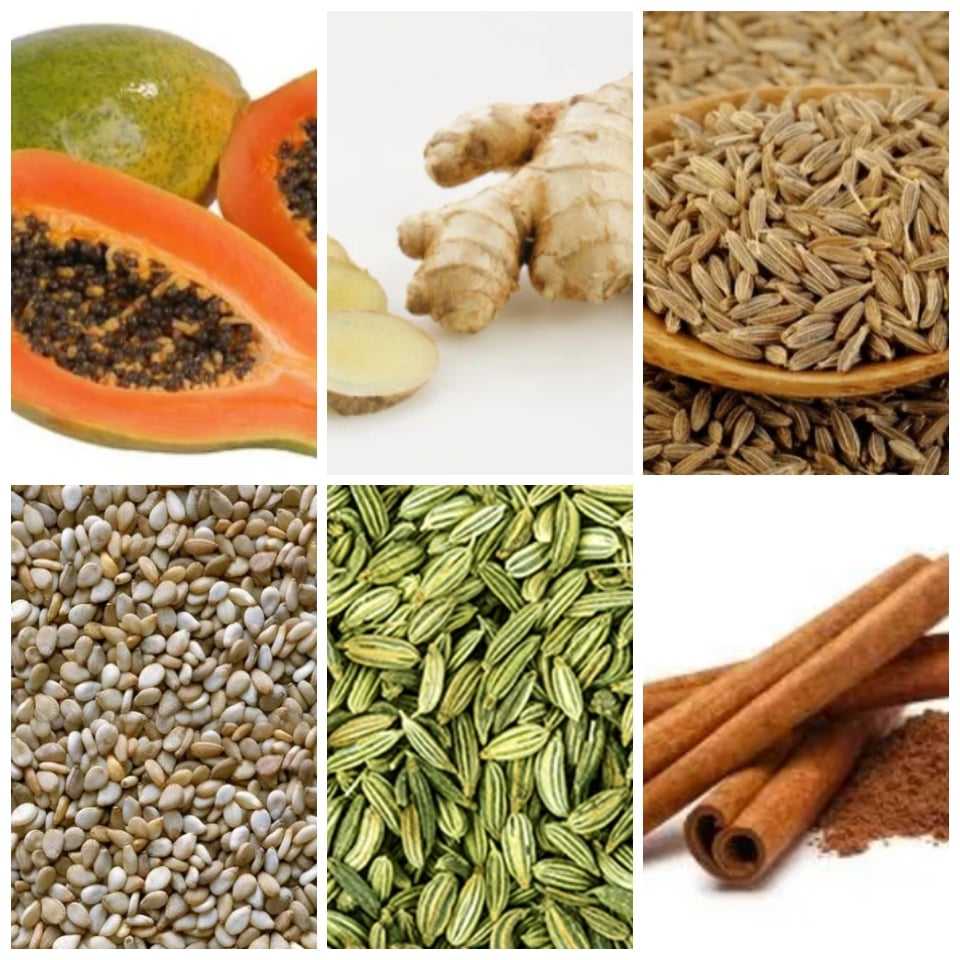
Spices: Commonly adulterated with fillers, including starches, sawdust, and plant matter. In some cases, dangerous, toxic, or lead-based dyes (such as Sudan I or lead chromate) are used to improve the color of spices like turmeric, chili powder, and cumin.
Saffron: Particularly vulnerable due to high cost, with threads often substituted with turmeric, poppy petals, gypsum, or dyed with sandalwood.
Why It Is Happening
Economic Motives: Food fraud is an “economically motivated adulteration” (EMA) designed to increase profits by selling cheaper items at premium prices.
Complex Supply Chains: The long, international, and non-transparent nature of supply chains allows for the introduction of counterfeit products.
Soaring Prices: When food costs rise (e.g., olive oil), the temptation for criminals to substitute cheaper, fake alternatives grows.
How to Spot and Avoid Fake Products
Price Check: If the price seems too good to be true, it likely is.
Label Inspection: Look for specific, reputable certifications such as PDO (Protected Designation of Origin) or PGI (Protected Geographical Indication) for olive oil.
Avoid “Ultra-Filtered” Honey: Real honey contains pollen. If the label says it is “ultra-filtered” to be crystal clear, it has been stripped of its natural qualities.
Buy Whole Spices: Ground spices are easier to adulterate than whole spices.
Research Brands: Purchase from companies that offer traceability, such as knowing the exact farm or region where the product was harvested.
