
In a move that has sent shockwaves through Nigeria’s security architecture, President Bola Ahmed Tinubu has removed Inspector-General of Police Kayode Egbetokun, triggering scenes of open jubilation at the Force Headquarters in Abuja.
For months, tension had simmered beneath the surface. Allegations of selective enforcement, internal discontent within the ranks, and growing public frustration over insecurity had placed the former police chief under intense scrutiny. Critics accused the leadership of being politically cautious at a time the nation demanded bold, uncompromising action against violent crime and systemic corruption.
By late afternoon, the atmosphere shifted dramatically.
What began as speculation hardened into confirmation: Egbetokun was out.
Within hours, officers were seen exchanging handshakes and subdued smiles—an unusual but telling display inside an institution known for rigid hierarchy and silence. For many rank-and-file officers, the announcement signaled not just a change in leadership, but a potential reset.
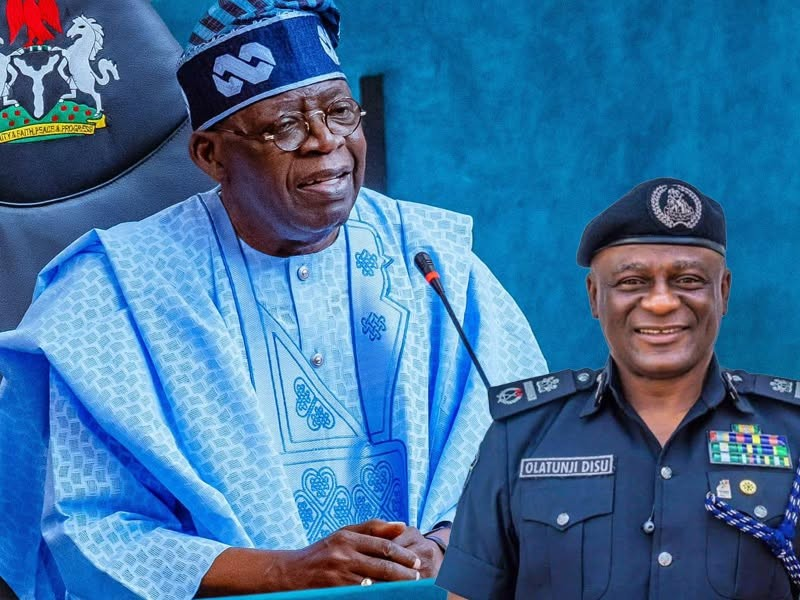
Stepping into the spotlight is Deputy Inspector-General Tunji Disu, a figure widely regarded as operationally decisive and field-tested. Known for his assertive command style and hands-on policing approach, Disu now faces a daunting mandate: restore credibility, rebuild morale, and confront Nigeria’s spiraling security threats with urgency.
The development carries heavy political undertones. Tinubu’s decision appears calibrated—an unmistakable signal that performance, not proximity, will define tenure in his administration. It also reflects mounting pressure from civil society, state governors, and security analysts who have demanded measurable results rather than rhetorical assurances.
Yet the celebration may be premature.
Changing a nameplate at the top does not automatically reform a system grappling with entrenched structural weaknesses—underfunding, welfare deficits, intelligence gaps, and public distrust. Disu inherits not only a badge of authority but a burden of expectation.
Across the country, reactions are sharply divided. Some hail the decision as overdue accountability. Others question whether deeper reforms will follow or whether this will simply mark another cycle of reshuffled leadership without institutional transformation.
One thing is certain: the removal of Egbetokun marks a pivotal moment. The applause inside the headquarters may fade, but the real test begins now.

Nigeria watches.
