

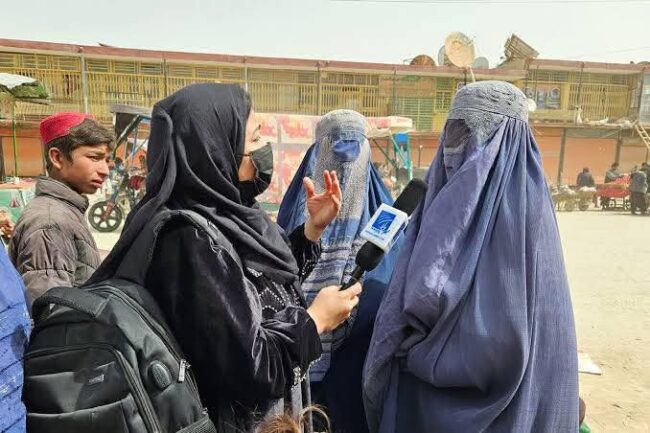
The de facto authorities in Afghanistan have once again drawn international scrutiny following reports that the Taliban has formally permitted what it describes as “mild” wife-beating under certain conditions.
According to emerging details, punishment for domestic violence would only apply in cases where physical harm results in broken bones or visible open wounds — effectively excluding lesser forms of physical assault from legal consequences.
What the Policy Reportedly Says
Under the reported framework:
Physical discipline of wives is considered permissible if it does not cause serious injury.
Legal penalties would only be triggered when injuries such as fractures or open bleeding wounds occur.
Bruises, slaps, or other forms of non-severe physical harm may not meet the threshold for prosecution.
The move has sparked outrage among human rights advocates, who argue that it normalizes domestic violence and strips women of legal protection against abuse.
Growing Restrictions on Women
Since regaining control of Afghanistan in August 2021 following the withdrawal of U.S. and allied forces, the Taliban has imposed sweeping restrictions on women and girls.
These include:
Banning girls from secondary and university education
Restricting women’s employment in many sectors
Enforcing strict dress codes
Limiting women’s travel without a male guardian
International organizations have repeatedly condemned these policies as violations of fundamental human rights.
Global Reaction
Human rights groups say the reported legalization of “mild” wife-beating further entrenches systemic gender-based violence.
Critics argue that:
It weakens protections against domestic abuse.
It may discourage victims from reporting violence.
It institutionalized gender inequality within the legal system.
Global leaders and advocacy groups are calling for renewed diplomatic pressure on Afghanistan’s authorities to reverse policies seen as discriminatory and harmful to women.
Broader Implications
Observers warn that such measures could further isolate Afghanistan internationally, affecting diplomatic relations, humanitarian aid flows, and global recognition efforts.
For many Afghan women, the policy — if fully enforced — represents another setback in an already challenging environment where rights and freedoms have steadily diminished.
As the situation develops, the international community continues to monitor events closely, with renewed calls for the protection of women’s rights and adherence to international human rights standards.
