

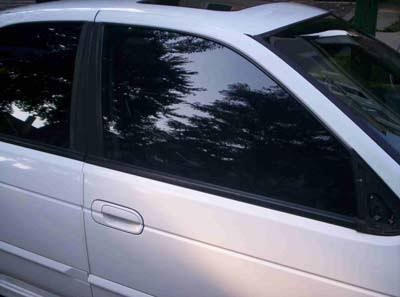
In recent years, the use of tinted glass vehicles has become increasingly common across Nigeria. While many vehicle owners obtain permits legally for reasons such as privacy, protection from sunlight, and security, the widespread use of tinted windows is gradually creating serious concerns for public safety and national security. At a time when Nigeria is battling kidnapping, banditry, armed robbery, terrorism, cultism, and other forms of criminality, it is necessary to critically examine the dangers associated with tinted vehicles and the implications they pose for society.
One of the greatest concerns is that tinted glass provides a convenient cover for criminals to conceal their identities and activities. Security personnel, law enforcement agencies, and even ordinary citizens are often unable to see who occupies a heavily tinted vehicle. This anonymity creates opportunities for kidnappers, armed robbers, and other criminal elements to move freely without attracting suspicion. In many reported cases, victims have been forcefully taken into vehicles whose occupants could not be identified because of dark window tints.
The challenge becomes even more significant in urban centers where security agencies rely heavily on surveillance, intelligence gathering, and community policing. Tinted vehicles make it difficult for security operatives to monitor suspicious movements or identify persons of interest. Criminal gangs can transport weapons, illicit drugs, stolen goods, or even kidnapped victims while remaining largely hidden from public view. This situation undermines ongoing efforts by government and security agencies to combat insecurity and maintain public order.
Beyond criminal activities, excessive tinting can also pose road safety risks. Drivers with heavily tinted windows may experience reduced visibility, particularly at night or during adverse weather conditions. This can increase the likelihood of accidents and endanger other road users. Thus, in emergency situations, first responders may face difficulties assessing the condition of occupants inside a heavily tinted vehicle.
While it is important to recognize that many law-abiding citizens use tinted glass for legitimate purposes, the growing abuse of such privileges cannot be ignored. The issue is not necessarily whether the tint was legally procured or not; rather, it is the potential misuse of tinted vehicles by individuals seeking to evade detection. Even legally approved tint permits can inadvertently provide opportunities for criminal exploitation when monitoring and enforcement mechanisms are weak.
To address this challenge, there is a need for stricter regulation, improved verification systems, and periodic reviews of tinted glass permits. Security agencies should maintain an accessible database of authorized permits and conduct routine checks to ensure compliance. Vehicle manufacturers, importers, and regulatory authorities should also work together to establish acceptable tint standards that balance privacy with public safety.
Citizens equally have a role to play. Public awareness campaigns should educate vehicle owners on the security implications of excessive tinting and encourage responsible use. Community members should remain vigilant and promptly report suspicious vehicles or activities to law enforcement authorities.
As Nigeria continues its fight against insecurity, every potential loophole that criminals may exploit must be carefully examined. The widespread use of tinted glass vehicles, if left unchecked, could continue to provide cover for criminal activities and frustrate security efforts. Therefore, government, security agencies, civil society organizations, and citizens must work collectively to ensure that personal convenience does not come at the expense of public safety. The security of lives and property must remain a national priority, and any practice that threatens this objective deserves urgent attention and action.This version can also be adapted into a newspaper opinion piece under the title “Tinted Glass Vehicles: Convenience or Security Threat?” or “Why Nigeria Must Revisit the Regulation of Tinted Vehicles.”
Amb. Green Imoh Isaac, is a public affairs Analyst, Criminologist, Human Rights Advocate.
This article is based on the current security situation in our time.
