

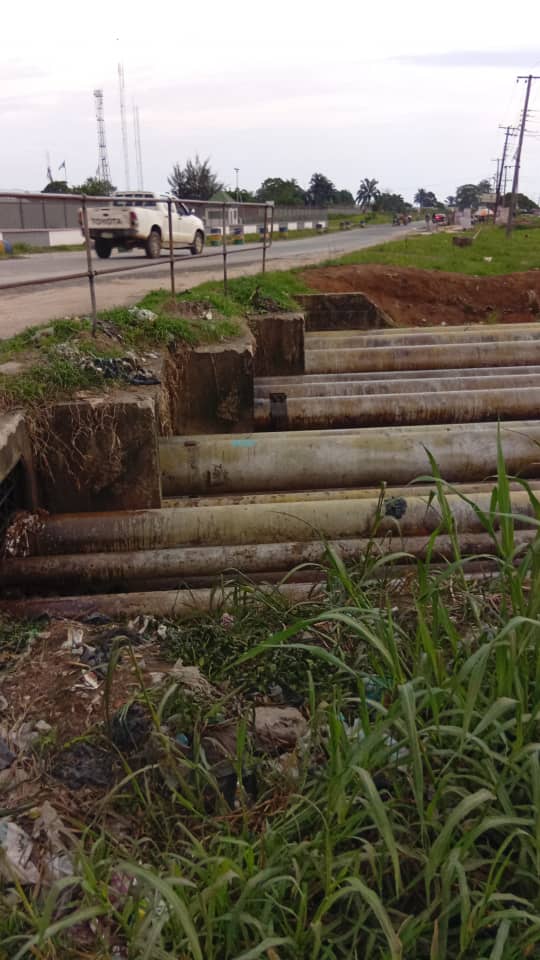
In Nigeria’s oil-rich Niger Delta, a quiet transformation is underway—one that is steadily restoring confidence in a sector long plagued by theft, sabotage, and systemic losses. At the heart of this shift lies a compelling lesson: safeguarding existing infrastructure may be more valuable than chasing new production.
For years, crude oil theft and pipeline vandalism crippled Nigeria’s output, dragging production from a peak of over 2.2 million barrels per day to less than one million. Key assets such as the Trans-Niger Pipeline were forced into shutdown, while illegal refining camps flourished across creeks and communities, draining both revenue and environmental health.
Today, that trajectory is being reversed—not by chance, but through structured pipeline surveillance and protection frameworks driven by indigenous capacity and strategic coordination with the Nigerian National Petroleum Company Limited (NNPCL).
From Collapse to Recovery
The reactivation of critical pipelines in the Niger Delta has underscored the importance of sustained security investments. In the eastern corridor, for instance, recovery levels on previously compromised infrastructure have surged dramatically—from as low as 3 percent in 2022 to over 90 percent within three years.
This turnaround has been powered by coordinated surveillance systems, rapid-response security deployments, and the integration of modern technologies such as drone monitoring and real-time intelligence gathering.
Equally important is the role of indigenous operators like Pipeline Infrastructure Nigeria Limited (PINL), whose intervention has demonstrated that local expertise, when properly empowered, can deliver results in even the most challenging terrains.
Across multiple pipeline corridors, extensive repairs of illegal connections, dismantling of illegal refineries, and restoration of operational integrity have significantly reduced crude losses while improving production efficiency.
The Case for Continuity
Despite these gains, industry experts warn that the progress remains fragile.
Pipeline surveillance contracts, which underpin much of the recent success, are not merely operational tools—they are strategic national assets. Any disruption, policy inconsistency, or rollback in these arrangements could risk reversing hard-won gains.
The Niger Delta’s terrain—defined by creeks, dense mangroves, and dispersed settlements—makes conventional security approaches insufficient. What has proven effective instead is a hybrid model combining technology, local participation, and continuous presence.
Security operators have established forward operating bases, deployed aerial surveillance systems, and maintained constant patrols across pipeline right-of-ways. These measures have not only deterred criminal activity but also ensured rapid response to breaches before they escalate into major disruptions.
Sustaining and upgrading these contracts, therefore, is not optional—it is essential.
Beyond Security: A Community Compact
One of the most significant shifts in pipeline protection strategy has been the integration of host communities into the security architecture.
Thousands of local residents have been engaged directly or indirectly in surveillance activities, creating a sense of ownership and shared responsibility. This approach has helped reduce youth involvement in illegal bunkering while improving intelligence gathering at the grassroots level.
In addition, targeted social interventions—from flood relief efforts to vocational training programmes—have reinforced trust between operators and communities.
For example, PINL has undertaken targeted and strategic Corporate Social Responsibility (CSR) initiatives across four states. In response to the devastating floods that affected riverine communities in the Niger Delta in November 2022, PINL extended support particularly to host communities of critical infrastructures by distributing essential household items, food supplies, warm clothing, and other necessities.
This aid aimed at mitigating the adverse effects of flooding on these locals. Following this immediate relief effort for flood victims, a comprehensive needs assessment was conducted within all area of operations. Consequently, another phase of CSR activities was implemented in December 2024.
Beyond merely providing relief materials during this period; PINL launched an ongoing skill acquisition program designed explicitly for engaging youth—and inclusive demographic groups such as women—in acquiring sustainable trades or vocational competencies fostering lawful livelihood options devoid from involvement with illegal bunkering practice.This initiative serves several purposes: social re-engineering strategy for re-orienting the people to desist from the illicit business highlighting the dangers to health, impact on the environment, conuntry’s economy and clearly pointing out the criminal consequnece of their actions.These actions have positively impacted the safety of pipeline networks and oil production.
Additionally, they have enhanced the livelihoods of host communities. This has resulted in strong support from these communities, providing substantial intelligence that has significantly improved our operations and the Nation’s oil output.
The result is a more stable operating environment where communities act as the first line of defense rather than passive observers or, worse, participants in sabotage.
Economic Stakes Are High
The implications of maintaining pipeline surveillance contracts extend far beyond the oil fields.
Crude oil remains Nigeria’s primary source of foreign exchange and a major contributor to government revenue. Every barrel lost to theft represents a direct hit to national earnings, fiscal stability, and the country’s ability to fund critical infrastructure.
Improved pipeline security has already contributed to increased production levels, higher export volumes, and renewed investor confidence. Allowing these gains to slip would not only undermine economic recovery but also send negative signals to global markets.
A Model Worth Strengthening
The emerging consensus within the industry is clear: Nigeria has found a model that works.
By combining indigenous expertise, technological innovation, and community engagement, pipeline surveillance contracts have delivered measurable improvements in security and output.
However, maintaining momentum will require more than just continuity. It calls for deliberate upgrades—expanded surveillance coverage, enhanced technology deployment, stronger legal enforcement, and sustained stakeholder collaboration.
The Road Ahead
As Nigeria seeks to stabilize and grow its oil production, the focus must remain firmly on protecting what already exists.
Pipeline infrastructure is the backbone of the nation’s energy system. Without it, production targets, revenue projections, and economic plans become unattainable.
The lesson from the Niger Delta is unmistakable: when pipelines are secured, production rises, communities benefit, and the economy strengthens.
Conversely, when surveillance weakens, losses return.
For policymakers, operators, and stakeholders alike, the priority is clear—sustain, strengthen, and scale pipeline surveillance contracts as a cornerstone of Nigeria’s energy security strategy.
By Amaechi Okonkwo.
