
 Ogona Anita
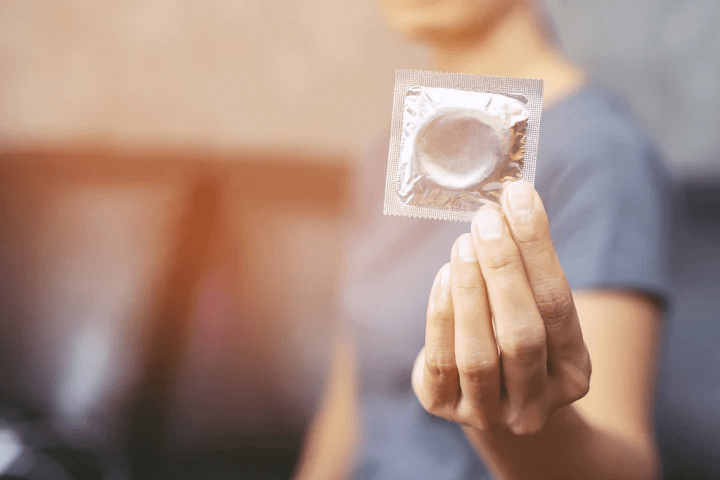
China is preparing to tax contraceptives for the first time in over 30 years as authorities search for ways to reverse the country’s falling birth rate.
Under newly released tax regulations, contraceptive products and drugs, including condoms, will lose their exemption from China’s 13 per cent value-added tax starting January 1, 2026. The policy shift comes at a time when the country is grappling with a sustained population decline.
Official data from China’s National Bureau of Statistics shows that only 9.5 million babies were born in 2024, a sharp drop from the 14.7 million recorded in 2019. With deaths now exceeding births, China also lost its position as the world’s most populous nation to India in 2023.
The decision has triggered widespread reactions online, with many Chinese social media users mocking the move. Several commentators argued that the cost of raising a child far outweighs the price of contraceptives, even with a new tax added.
“That’s a really ruthless move,” said Hu Lingling, a mother of one who insists she has no plans to expand her family. “Raising a child is far more expensive than buying condoms. I’d rather lead the way in abstinence,” she added, jokingly describing her stance as an act of rebellion.
Others drew comparisons with China’s controversial family planning era, when the state strictly enforced a one-child policy through fines and, in some cases, forced abortions. That policy, introduced around 1980, was abandoned in 2015, first allowing two children per family and later expanded to three children in 2021 as population numbers began to fall.
Health experts have raised concerns that taxing contraceptives could lead to unintended consequences. Qian Cai, Director of the Demographics Research Group at the University of Virginia, warned that higher prices may limit access to contraception for low-income groups, potentially resulting in more unplanned pregnancies and a rise in sexually transmitted infections.
She noted that such outcomes could also increase abortion rates and strain healthcare systems, adding that the tax is unlikely to significantly influence family planning decisions. “For couples who do not want children or more children, a 13 per cent tax on contraceptives is unlikely to change their minds when compared to the much higher cost of raising a child,” she said.
Not all experts are critical of the move. Yi Fuxian, a senior scientist at the University of Wisconsin–Madison, described the policy as logical. According to him, China is simply shifting away from population control measures towards treating contraceptives as ordinary consumer goods.
“Previously, the government controlled population growth. Now it wants more births. Removing tax exemptions is a return to normal market practices,” he said.
For decades, contraceptives in China were actively promoted and often provided free of charge. The new policy marks a significant shift, reflecting the government’s growing concern over the long-term economic and social impact of an ageing and shrinking population.