 Ogona Anita

Nigeria’s evolving political climate has drawn sharp international concern following a warning from , who raised alarm over what he described as a potential threat to democratic governance in the country.Politics
Nagy, a former United States Assistant Secretary of State for African Affairs, reacted to allegations suggesting attempts to weaken opposition forces through judicial means. The claims, initially highlighted by prominent human rights lawyer , point to possible manipulation of state institutions in a way that could tilt Nigeria toward a one-party system.
his response, Nagy cautioned that if such allegations prove to be true, they would represent a serious assault on democracy and must not be ignored by the international community. He stressed that global stakeholders have a responsibility to pay close attention to developments in Nigeria, given its strategic importance in Africa.
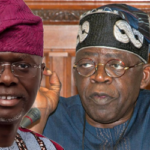
The controversy has also drawn attention to President and the leadership of the (INEC), with claims suggesting possible complicity in actions that could undermine democratic institutions. However, no official response has yet been issued by the presidency or the electoral body regarding the allegations.
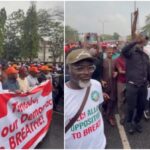
Political observers say Nagy’s intervention signals that Nigeria’s internal political tensions are beginning to attract broader international scrutiny. For many within the opposition, including members of the African Democratic Congress (ADC), the development reinforces long-standing fears that democratic processes are being compromise
Analysts warn that any attempt to erode judicial independence or suppress opposition voices could have far-reaching consequences for Nigeria’s democratic stability. They emphasize that the strength of any democracy lies in the independence of its institutions and the ability of opposition parties to operate freely.
As concerns continue to mount, stakeholders both within and outside the country are calling for transparency, accountability, and adherence to the rule of law. With growing global attention, the trajectory of Nigeria’s democracy is now firmly in the spotlight.
For many Nigerians, the message is clear: the protection of democratic values remains critical, and the actions taken in this moment could shape the nation’s political future for years to come.