
 Ogona Anita
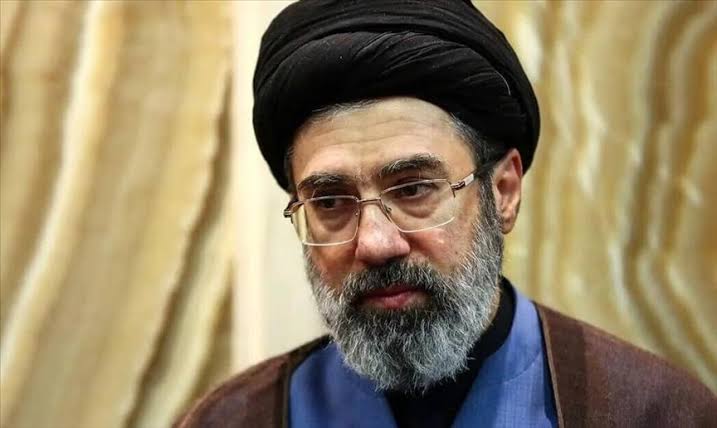
Iran is facing growing uncertainty over its leadership after reports emerged that the country’s newly appointed Supreme Leader, Mojtaba Khamenei, sustained injuries during the early stages of the ongoing military confrontation involving the United States and Israel.
According to a source familiar with the situation who spoke to CNN on Wednesday, Khamenei suffered a fractured foot, a bruise around his left eye, and minor facial lacerations on the opening day of the bombardment campaign against Iran.
The injuries reportedly occurred during the first wave of attacks that marked the start of what has been widely described as the “Ramadan War.”
Khamenei, the second son of Iran’s late supreme leader, Ali Khamenei, has not appeared publicly or issued any official statement since his elevation to the country’s highest office earlier this week by the Assembly of Experts.
His prolonged absence from public view has fueled widespread speculation about his condition amid escalating hostilities in the region.
An Israeli source earlier told CNN that Khamenei had been targeted in an assassination attempt last week, further intensifying questions about his health and safety.
Meanwhile, Iranian state media outlets have relied heavily on archival footage and reportedly AI-generated images of the new leader in an effort to project continuity and stability in the country’s leadership.
State television has referred to him as a “jaanbaz”—a Persian term meaning a wounded war veteran—suggesting that he sustained injuries during the conflict, though authorities have not publicly disclosed specific details.
Seeking to calm the growing speculation, Yousef Pezeshkian, the son of Iranian President Masoud Pezeshkian, said he had heard reports of the injuries but insisted there was no immediate cause for concern.
Speaking through the state-affiliated Iranian Students’ News Agency, he said “Mojtaba Khamenei is safe and there are no concerns.”
The uncertainty comes at a critical moment for Iran following the assassination of Ali Khamenei in a wave of U.S.–Israeli airstrikes on February 28, 2026.
According to Iranian state media, the strikes also killed several members of the late leader’s family, while his wife later died from injuries sustained during the attacks.
As the conflict enters its second week, Iran is grappling with a delicate leadership transition while facing sustained military pressure, including continued airstrikes, naval tensions in the Strait of Hormuz, and a surge in global oil prices triggered by fears of wider regional escalation.


