
 adminreporter
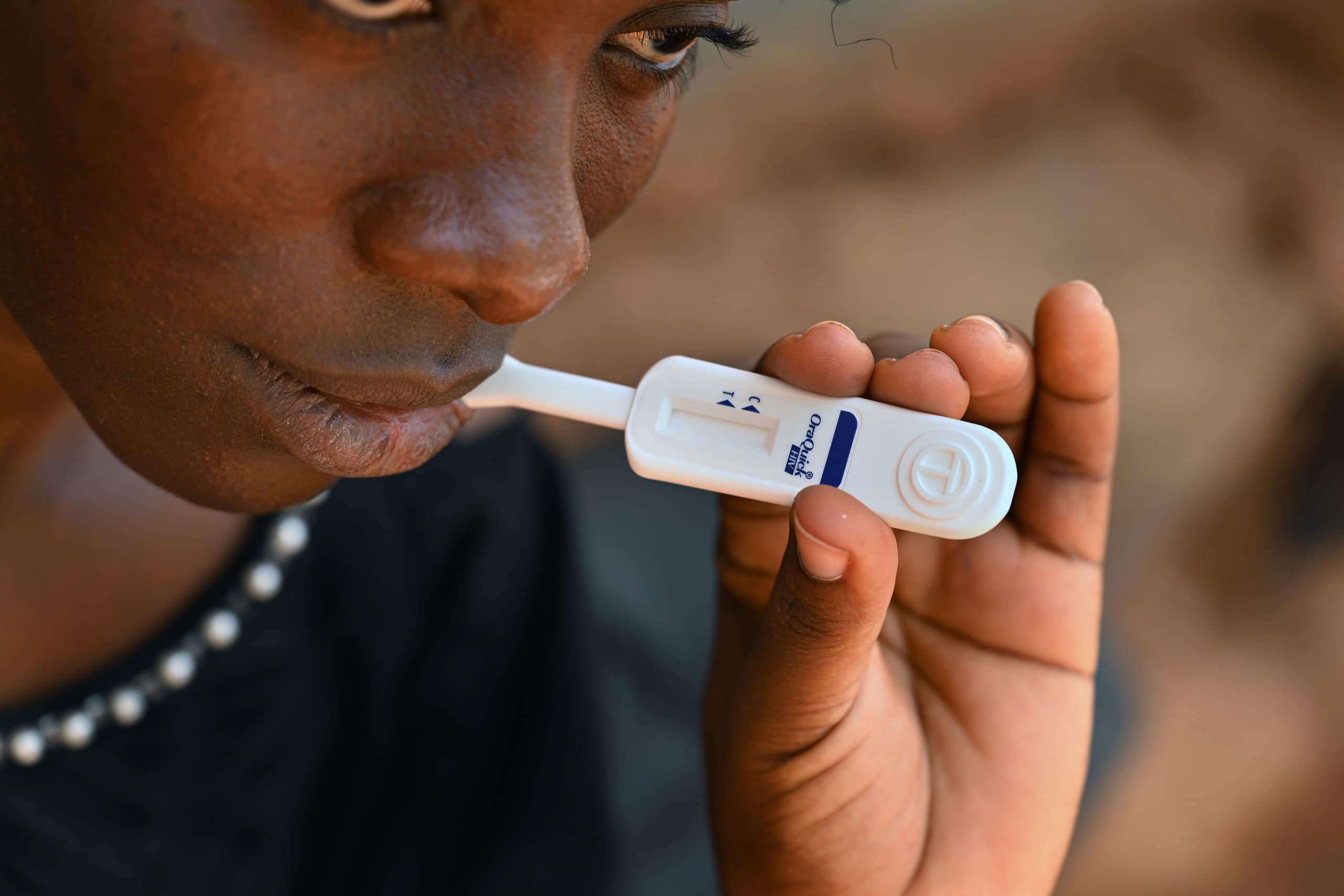
Health experts have raised concerns over the increasing cases of Advanced HIV Disease among children and adolescents in Nigeria, warning that stigma, poor awareness, and limited access to diagnostic tools are worsening the situation.
The warning followed the release of findings by the IMPAACT4HIV Consortium, which conducted research across Lagos, Kano, Rivers, and Gombe states to assess the challenges affecting children living with HIV and their caregivers.
Speaking while presenting the findings to journalists in Abuja on Friday, Executive Director of Support for Women and Teenage Children, Dr Ramat Garra, said many cases of advanced HIV disease could be prevented if there was greater awareness and early access to treatment.
She noted that the study, which used focused group discussions and key informant interviews, revealed that many caregivers and community members had little or no understanding of Advanced HIV Disease or its warning signs.
“In Rivers State, over 60 per cent of community participants showed little to no understanding of AHD warning signs, while caregivers at HIV clinics in Kano said they had never been informed about the condition,” Garra said.
According to her, the lack of awareness often leads caregivers to seek medical help only after the illness has progressed to a critical stage.
She also identified stigma as a major factor contributing to the worsening condition of children and adolescents living with HIV.
Garra said many adolescents stop taking their medications because they fear being seen at clinics, while some parents delay disclosing the HIV status of their children, a situation that allows the disease to advance.
“In Gombe State, three people reportedly died in the past year after stigma pushed them toward herbal remedies instead of seeking medical care,” she added.
The report also highlighted serious gaps in diagnostic capacity in many health facilities, including the unavailability of CD4 count tests, Cryptococcal Antigen tests, and TB-LAM assays used to detect advanced HIV disease.
According to the findings, shortages of testing reagents in Kano caused delays in diagnosis, while some patients with cryptococcal infections in Gombe were discharged without treatment due to a lack of medication.
The consortium further noted that none of the four states studied currently has a standalone policy addressing Advanced HIV Disease, as they all rely on general national HIV guidelines.
Experts warned that the absence of a specific policy framework has resulted in inadequate funding and persistent gaps in the management of advanced HIV cases.
They also pointed to the financial burden faced by many families, noting that while HIV treatment is officially free, indirect costs such as transportation continue to limit access to care.
In Rivers State, for instance, a change in drug pickup frequency reportedly increased transportation costs for caregivers, while in Gombe, some case managers used personal funds to help patients access treatment.
Also speaking, Executive Director of the African Network of Adolescents and Young Persons Development, Aaron Sunday, called on governments, donors, and healthcare providers to intensify efforts to address the growing challenge.
He urged state governments to develop dedicated policies on Advanced HIV Disease with specific budgetary provisions and strengthen adolescent-friendly HIV services.
Sunday also called on the National AIDS and STDs Control Programme and implementing partners to ensure the consistent supply of critical diagnostic tools and integrate AHD screening into paediatric, tuberculosis, and prevention of mother-to-child transmission services.
The IMPAACT4HIV Consortium, which includes the African Network of Adolescents and Young Persons Development, Initiative for Sustainable Community Development, and Support for Women and Teenage Children, said addressing stigma, improving diagnostics, and expanding community awareness would be key to preventing avoidable deaths among children living with HIV in Nigeria.