
 Ogona Anita
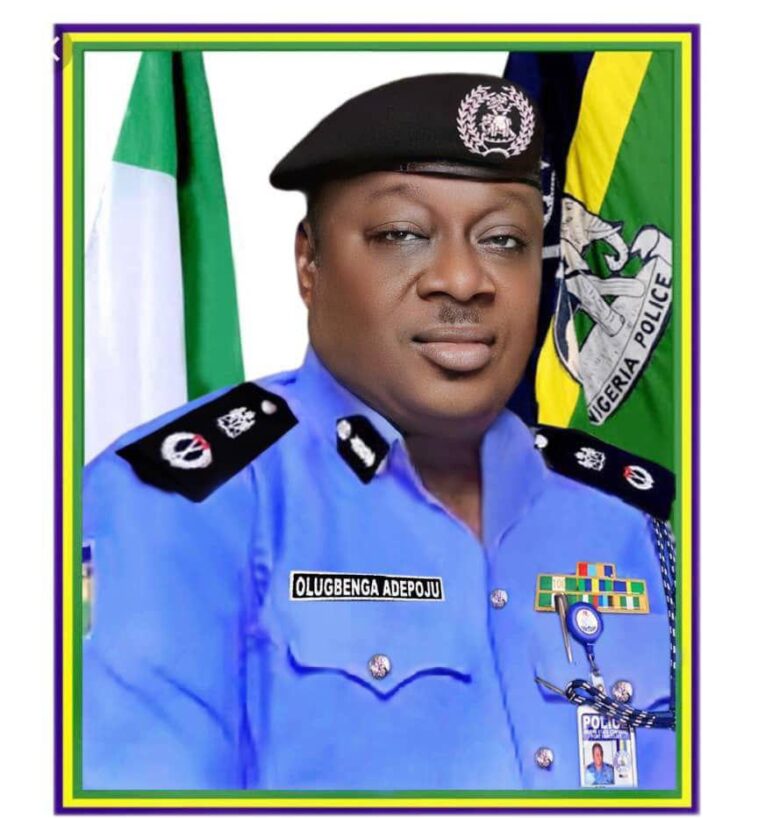
Relief International Africa and the Civil-Military, Police and Paramilitary Relations Initiative of Nigeria (CIMPARR-Nigeria) commend the Commissioner of Police, Rivers State Command, Olugbenga Adepoju, and his management team for their ongoing efforts to sanitize policing activities across Rivers State, particularly through the enforcement of the directive of the Inspector-General of Police, Olatunji Disu, on the dismantling of unnecessary roadblocks and checkpoints on highways.
The decision of the Rivers State Police Command to move across various locations to ensure compliance with the IGP’s directive is a commendable step toward restoring public confidence in law enforcement. Security agencies are expected to focus more on intelligence-driven policing rather than practices that create the perception of hostility between the police and law-abiding citizens.
Our observations along the East-West Road reveal a troubling situation that has persisted for some time. From Nowa, the headquarters of Tai Local Government Area, through Khana Local Government Area to the Imo River boundary between Rivers and Akwa Ibom States, motorists encounter numerous police checkpoints, in some instances located barely a few hundred meters apart. Reports from commercial transport operators indicate that as many as 29 checkpoints exist along this corridor.
Commercial buses and private motorists are often subjected to repeated stop-and-search procedures, resulting in significant delays and allegations of extortion. Commercial drivers reportedly part with amounts exceeding ₦6,000 per trip through multiple unofficial payments at various checkpoints. Such practices not only undermine public trust in the police but also increase the cost of transportation and doing business.
It is noteworthy that some transport companies, including Transit Favour, AKTC, and others, have reportedly opted for longer alternative routes through Abia State to reach Akwa Ibom State, rather than using the shorter Port Harcourt–East-West Road corridor. Consequently, travel time that should ordinarily take approximately one hour and forty-five minutes now extends beyond three hours in some cases.
The economic implications are equally significant. Businesses located along the East-West Road corridor, particularly between Bori Junction and the Akwa Ibom boundary, have witnessed a decline in patronage as travelers increasingly avoid the route due to the frequent police disturbances and delays.
A similar situation has been observed along the route leading to Imo State through Umuagwa-Elele road where concerns over excessive checkpoints have also been raised by road users.
We therefore commend CP Olugbenga Adepoju and his management team for taking decisive action to address these concerns. We believe that reducing unnecessary roadblocks will not only curb extortion and improve accountability among officers but also enhance road safety, facilitate economic activities, and strengthen the relationship between the police and the public.
We urge other Commissioners of Police across the federation to emulate this proactive approach and ensure that policing remains intelligence-led, professional, and citizen-friendly while maintaining effective security operations.
Signed
Amb. Green I. Isaac (AFP, AIPM, IRAMP, MSPSP)
Executive Director, Relief International Africa and
Coordinator
Civil-Military, Police and Paramilitary Relations Initiative of Nigeria (CIMPARR-Nigeria)